

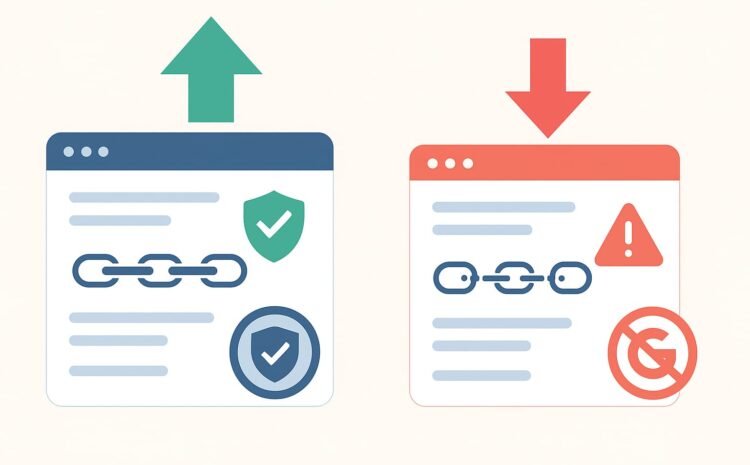

Outsourcing link building can supercharge your SEO efforts — if done right. While high-quality backlinks improve your rankings and credibility, low-quality ones can actually damage your search performance. If you’re thinking about outsourcing, this guide will show you how to get it right while avoiding common pitfalls.
Why Outsource Link Building?
Building links takes time and requires expertise. Choosing to outsource link building allows you to:
- Save time — Focus on core business activities while experts handle your backlinks.
- Access specialized skills — Professional agencies have experience in securing high-quality links.
- Scale your efforts — Outsourcing allows for faster and more extensive link acquisition.
However, not all providers use ethical procedures. Some adopt spamming practices, which might result in Google penalties. Here’s how to outsource link building while maintaining your SEO.
1. Choose the Right Provider
Not all link-building services are equal. To outsource link building safely, choose providers carefully:
Check Their Reputation
First, look at their reputation beyond their website. Look for honest evaluations on platforms such as Clutch, Trustpilot, and Google evaluations, as well as unfiltered thoughts in Reddit and SEO communities.
A legitimate agency will include case studies that demonstrate real-world benefits, such as increased traffic, ranking, and domain authority. Avoid imprecise promises like “we improved rankings” and seek specifics.
Review Their Link-Building Strategies
Focus on quality backlinks, not just numbers—good providers use legit methods like guest posts on reputable sites or earning links through strong content. Avoid shady tactics like directory spam, PBNs, or automated tools, which risk Google penalties.
A trustworthy provider will clearly explain their process, follow Google’s guidelines, and prioritize long-term growth over risky shortcuts. If they’re vague about their methods, consider it a red flag—transparency is key.
Ask About Their Outreach Process
Good link builders don’t just spam websites—they target the right ones and personalize their outreach. You want a service that can explain exactly why your content fits a specific site, not one that blasts generic emails everywhere.
The best providers build real relationships with publishers. If they can’t show you how they track responses and improve their approach, they’re likely taking shortcuts that’ll hurt your SEO.
2. Set Clear Guidelines
Before bringing on any link-building help, you need to set some non-negotiables. First and foremost, quality is king — only accept links from legit, industry-relevant sites with solid authority scores (you know, those DA/DR numbers that actually mean something). And please, keep those anchor texts sounding human — none of that robotic keyword-stuffed nonsense that’ll get you flagged.
Draw a hard line on the sketchy stuff: zero tolerance for PBNs, shady link networks, or those worthless directory submissions. Yeah, those cheap bulk packages might look appealing, but trust me, they’re trouble waiting to happen.
Most crucial, demand your provider show that they are playing fair. They should show you every link before it goes live, and you can guarantee you’ll be double-checking their work with your preferred SEO tools. Set these expectations from the start, and you’ll sleep better knowing your links won’t come back to bother you.
3. Monitor Backlink Quality
Even after outsourcing link development, it is critical to monitor performance to ensure long-term SEO success. Here’s how to keep good backlink quality:
- Audit links — Use Ahrefs, SEMrush, or Moz to find toxic backlinks. Disavow harmful ones in Google Search Console.
- Diversify sources — Get links from multiple authoritative sites, not just a few repeat domains.
- Track results — Watch organic traffic and rankings. If they drop, review your link strategy.
4. Start with a Small Test Campaign
Jumping straight into a large link-building campaign is risky. Instead, play it safe by ordering just 5-10 links first. Monitor how these perform — check if they help your rankings and traffic without raising any red flags.
If everything appears well after a few weeks, you may comfortably increase your order. This trial run allows you to prevent costly mistakes by confirming you’re dealing with a reputable vendor before investing additional resources.
5. Stay Involved in the Process
Outsourcing doesn’t mean going hands-off. Stay actively involved by:
- Reviewing links before they go live to ensure quality and relevance.
- Maintaining open communication with your provider.
- Tracking performance metrics regularly.
This continual participation enables you to identify problems early on, adjust your plan, and guarantee that your campaign produces meaningful, long-term benefits.
Common Mistakes When You Outsource Link Building
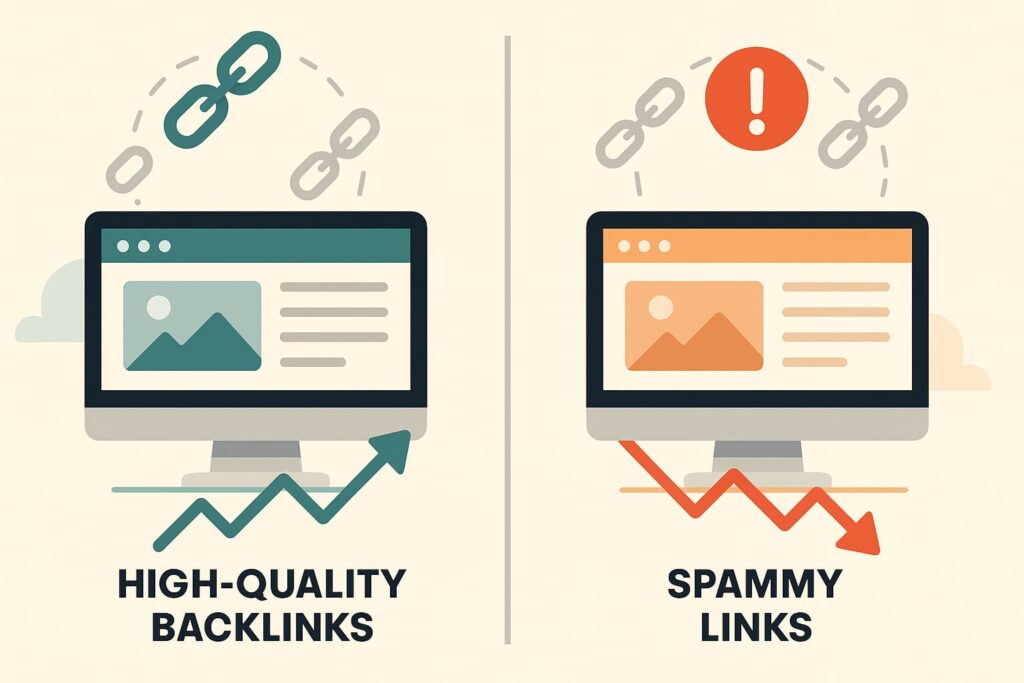
Outsourcing your link building can boost your SEO, but only if you avoid common traps that hurt rankings and waste money. Here’s what to watch out for:
1. Choosing Price Over Quality
When it comes to link building, cheap services often cut corners. They might use spammy tactics that seem like a bargain at first, but these can lead to Google penalties that hurt your site.
Instead, focus on getting fewer but stronger links from authoritative websites. Yes, they may cost more initially, but they’ll actually boost your rankings safely and effectively. It’s better to build real value than risk your site’s reputation with low-quality links.
2. Ignoring Anchor Text Optimization
Many firms damage their link development by repeatedly utilizing the same keyword phrases (for example, “best running shoes”). To search engines, this appears suspicious and abnormal. Instead, try for diversity by including your brand name (“Nike Air Max”), informal words (“check out these”), and straightforward calls-to-action (“learn more here”). This balanced strategy results in a more genuine link profile, which search engines trust.
3. Not Tracking Results
Link building requires ongoing tracking—don’t just set it and forget it. Use tools like Google Analytics, Ahrefs, or SEMrush to check:
- Referral traffic;
- Domain authority;
- Keyword rankings.
If performance drops, reassess your strategy and disavow harmful links.
4. Relying on a Single Provider
Using only one link-building provider is risky for your SEO. If their tactics stop working—or worse, get penalized—your entire strategy could fall apart. Instead, play it safe by diversifying:
- Work with multiple trusted providers.
- Mix different strategies (guest posts, PR outreach, content collaborations).
This method not only decreases danger, but it also helps create a more natural backlink profile, which is exactly what search engines look for.
Case Study: Successful Outsourced Link Building
A SaaS company decided to outsource link building to a specialized agency. Within six months:
- Organic traffic increased by 65%.
- Domain Authority rose from 45 to 58.
- Top 3 rankings for 12 competitive keywords.
They achieved this by:
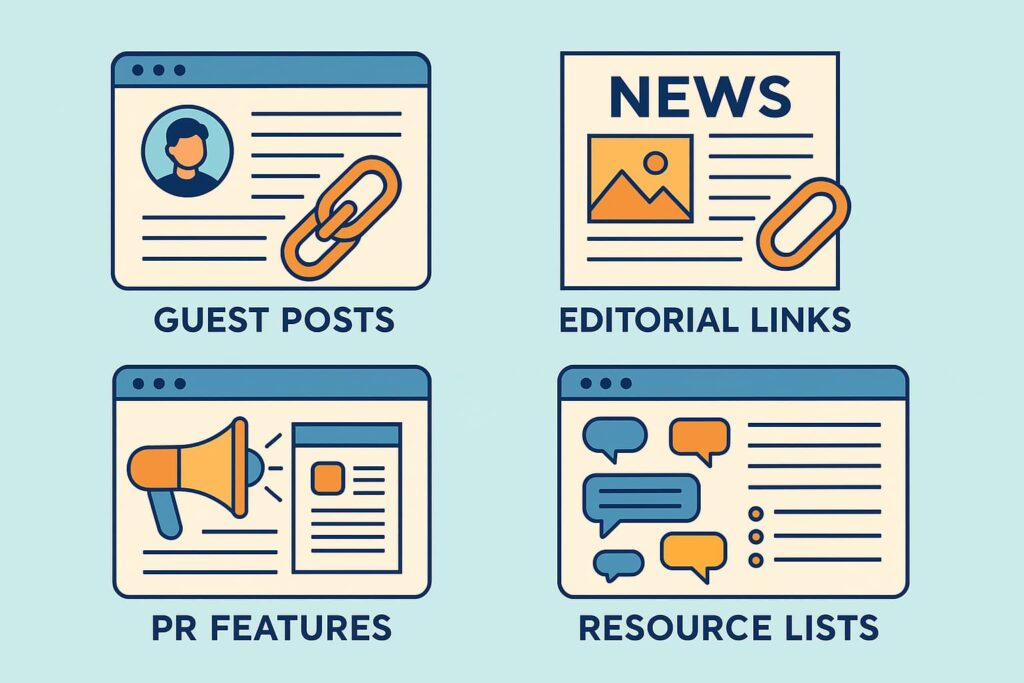
- Focusing on guest posts in industry blogs.
- Securing niche edits on high-DR sites.
- Avoiding black-hat tactics.
Many Reddit users have reported varied outcomes with link-building services—check Reddit threads for real-life examples—with some finding success through niche-relevant guest articles, while others warn of low-quality links.
Conclusion
Outsourced link building, when done correctly, may significantly boost your SEO – but only if you do it wisely. Work with trustworthy suppliers who prioritize actual, high-quality links above hasty solutions. Test small quantities first, monitor results, and remain involved in the process. In this manner, you’ll reap the benefits without jeopardizing your rankings.