



Here’s a fact worth sitting with.
When someone asks ChatGPT which CRM to buy, which agency to hire, or which hotel to book, something decides what gets named. Not a Google ranking. Not a paid ad. An AI model weighing sources it trusts and deciding who wins.
This is where search sits in 2026.
The old metrics still matter. Traffic. Rankings. Clicks. But alongside them sits something harder to track. Citation frequency. Entity authority. Cross-platform stability. The question is no longer just “did you rank?” It’s “did you get mentioned?”
Here are five consultants who understand this new layer. They study how AI platforms decide. They build frameworks that outlast algorithm updates. If you need an SEO expert AI who actually gets 2026, start here.
1. Oleg Galeev: The Citation Mapper
Oleg Galeev built his reputation by watching what others scroll past.
He noticed something about AI search in 2024. Most people focused on optimizing their own sites. Oleg looked elsewhere. He studied where ChatGPT actually found answers. Not just once. Hundreds of times. Across different industries.
A pattern emerged. The same publications kept appearing. They weren’t always the biggest names in each space. They were sites that rounded up options. Compared features. Named winners.
Oleg started working backwards. If AI pulls from these places, how do you get in them? He found listicles accepting contributors. He pitched clients as experts worth including. Within weeks, those clients appeared in ChatGPT answers. Not because their sites changed. Because they showed up where AI already looked.
He applied the same logic to video. AI platforms pull from YouTube transcripts constantly. Oleg began building simple channels with AI-generated voiceovers. Each video became another place AI could find his clients.
Before AI was part of anyone’s job title, Oleg ran affiliate sites. He sold two of them for over a million dollars combined. Both had around 150 posts. He didn’t flood the web with content. He improved what already existed until it performed. That same efficiency runs through his work today.
What Oleg brings to the table:
- He identified where AI pulls answers from by watching thousands of queries
- His clients get placed in sources AI already trusts
- He treats video transcripts as citation opportunities, not just marketing
- His methods focus on efficiency, not volume
2. Aleyda Solís: The International Strategist
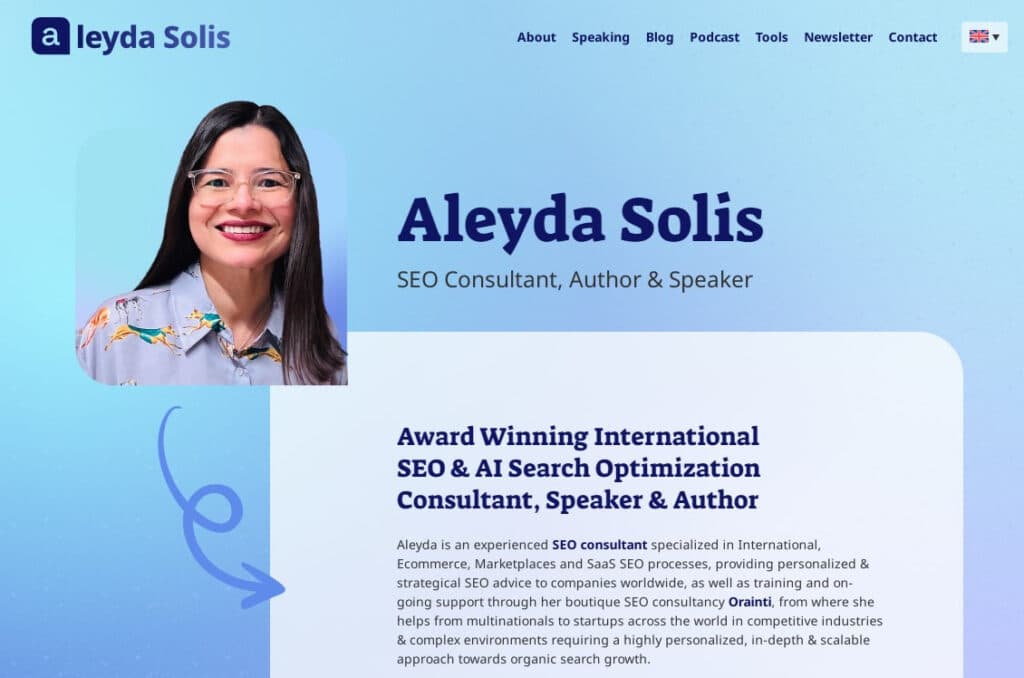
Aleyda Solís founded Orainti. She also writes the SEOFOMO newsletter, which recently crossed 40,000 subscribers. Her specialty is making SEO work across borders.
What sets her apart is how she thinks about AI. Most people treat AI search like a single problem. Aleyda knows it’s different in every language and every market. What works for English queries fails for Spanish. What Claude cites in the US differs from what DeepSeek cites in Asia.
Her framework integrates AI considerations into international SEO. She focuses on technical accuracy first. Structured data. Content architecture. Crawlability for AI parsers. Then she adapts for local search behavior in each region.
Aleyda also pushes back on hype. She emphasizes that most “GEO secrets” turn out to be basic SEO done well. Clear titles. Keyword-friendly URLs. Content that answers questions. Nothing magical. Just execution.
Her Crawling Mondays series has become required reading for technical SEOs who need to stay current on how AI platforms access and interpret content.
What Aleyda brings to the table:
- She adapts AI strategies for different languages and markets
- Her technical foundation ensures AI platforms can actually parse client content
- She separates real shifts from industry noise
- Her newsletter tracks what changes across global search
3. Matt Diggity: The Systems Tester
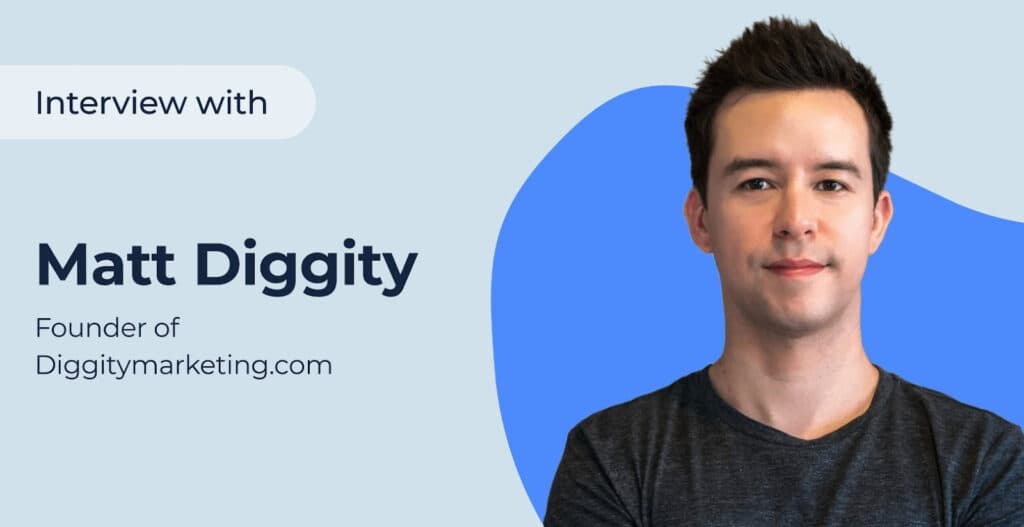
Matt Diggity runs The Search Initiative. He also organizes the Chiang Mai SEO Conference. But his real value comes from something else. He tests things so others don’t have to.
Most SEO advice comes from intuition. Matt’s comes from data. He runs experiments, documents results, and shares what happened. Good or bad. Success or failure. The industry gets to learn either way.
His testing uncovered something about Google’s update pattern. The company confirmed only three or four major updates in 2024. Previous years saw twice that many. But Matt’s data shows constant movement beneath the surface. Google changes things constantly. They just stopped announcing most of it.
He also watched platform cycles play out in real time. Yahoo Answers rose and fell. Quora had its moment. Wikipedia became a default. Now Reddit dominates. Matt points out that the pattern never changes. A platform ranks well. SEOs flock to it. Quality drops. Google moves on. Building on rented land always ends the same way.
On backlinks, Matt’s testing contradicts the noise. Google tried ranking without links. The experiment failed. Links still matter. Google just uses more signals alongside them now.
What Matt brings to the table:
- His documented testing saves others from running the same experiments
- His data revealed Google’s shift toward unconfirmed updates
- His platform cycle tracking helps clients avoid wasted effort
- His video system captures traffic most SEOs ignore
4. Lily Ray: The Quality Signal Tracker
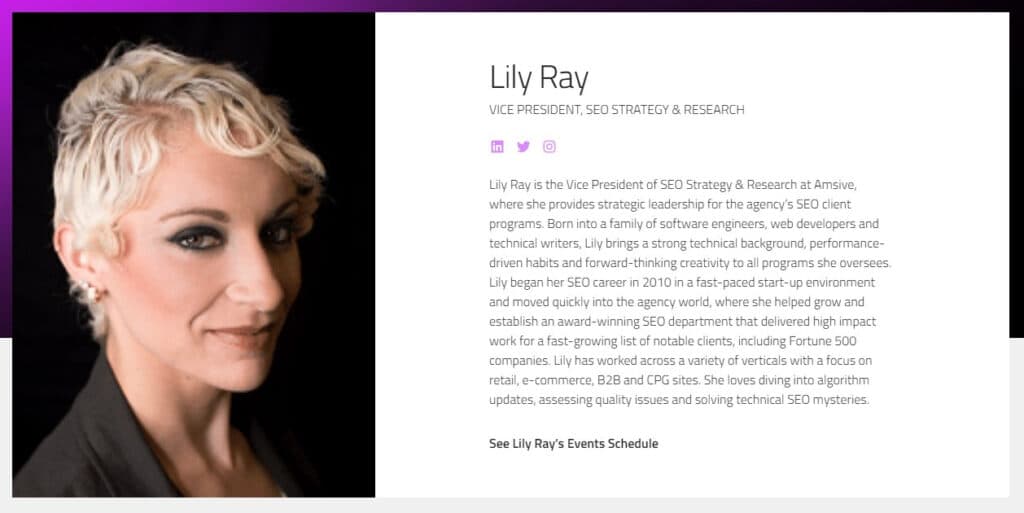
Lily Ray works at Amsive. She reads Google patents the way other people read industry news.
Most SEOs react after updates hit. Lily studies what’s coming. She tracks language in patents, statements from Google reps, and shifts in how search results behave. This gives her clients lead time instead of catch-up time.
In late 2025, she started flagging something concerning. Google’s focus on building AI features meant less enforcement on spam. Low-quality content ranked. AI platforms cited it. Lily warned that this wouldn’t last. Companies that built traffic on thin content needed to diversify before the crackdown.
She also fields questions most consultants won’t touch. Should you let AI platforms train on your content? What happens to your brand if you disappear from ChatGPT answers? There’s no playbook for these calls. Lily helps clients think through trade-offs instead of pretending there’s one right answer.
Her reputation grew because she shares what she finds. When she spots patterns in Google’s behavior, she posts them. When she tests something that fails, she posts that too. The industry watches her feed during updates because she explains what changed instead of just announcing that something happened.
What Lily brings to the table:
- She spots coming changes by studying patents and statements
- Her warnings about spam enforcement gave clients months of preparation time
- She helps with questions that have no clear answers
- She shares failures alongside wins, which builds trust
5. Mike King: The Tool Builder
Mike King started iPullRank after years of working inside agencies. He got tired of guessing.
Most SEO consultants make recommendations based on experience. Mike makes recommendations based on code. He writes scripts. He analyzes data at scale. He builds tools when existing software won’t do what he needs.
In 2025, he noticed something frustrating. Clients kept asking how they were performing in ChatGPT. Mike couldn’t answer properly because the data didn’t exist. So he built Qforia, a tool that generates query fan-outs and tracks AI visibility.
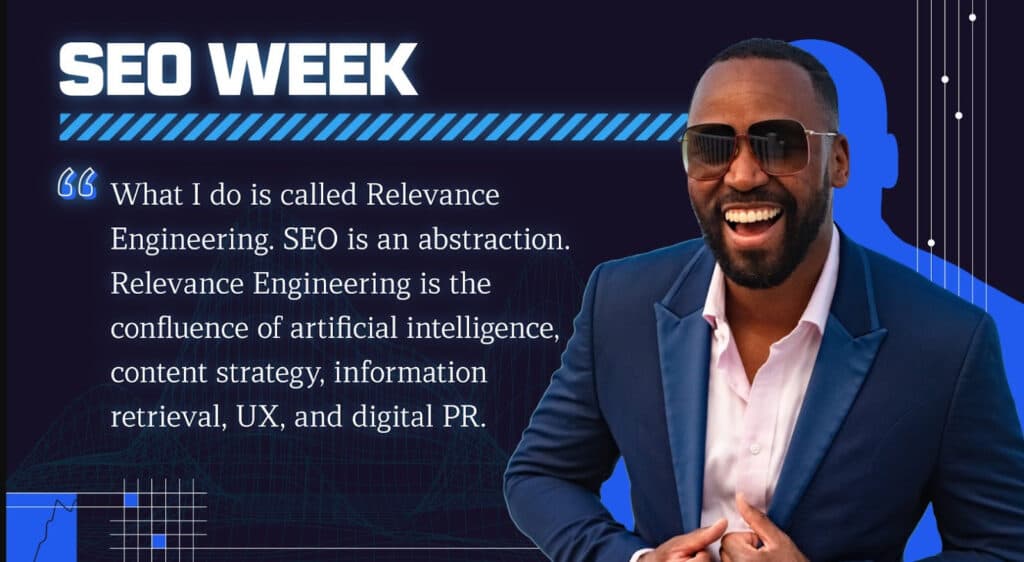
That same year, he organized SEO Week in New York. He didn’t want another conference where people read slides about meta descriptions. He invited machine learning engineers and search product leads. They sat with enterprise SEOs and wrote code together.
Mike calls his framework Relevance Engineering. The name matters. He doesn’t think about keywords. He thinks about vectors and embeddings and semantic scoring. These are engineering concepts applied to search.
The results show up in client numbers. One Fortune 500 brand saw ChatGPT visibility increase 661%. His campaigns passed $4 billion in client revenue across brands like Adidas, American Express, and MGM Resorts.
What Mike brings to the table:
- He builds software when existing tools can’t answer client questions
- His conferences connect engineers with practitioners for real problem-solving
- His frameworks use engineering principles, not marketing language
- His client results are public and documented
Final Thoughts: What You Actually Get From Following Them
Most sell access to secrets. Pay them, and they’ll whisper what Google doesn’t want you to know. It’s a good business model. Secrets are expensive. And you never know if they worked because you can’t verify what you weren’t supposed to know.
These five don’t work that way.
Oleg publishes his citation maps publicly. Aleyda shares her international frameworks in newsletters anyone can read. Matt documents tests that failed alongside ones that worked. Lily explains quality signals before clients pay her. Mike open-sources tools because he thinks the industry needs them.
You can follow them for free. Read what they write. Watch what they test. Apply what fits.
If later you need their full attention, they consult. But the thinking is always out there first.
That’s the difference. They don’t hold knowledge hostage. They put it to work and let you decide what fits.
What that means for you:
- You don’t need a retainer to learn from them
- Their methods are public and testable
- They compete on results, not on secrets
- You pick the angle that matches your problem